Our subteams
Five subteams.
One aircraft.
From the structure that carries the payload to the software that helps it navigate, every part of HEART is a student effort. Explore the five subteams that design, build, integrate, and test our electric VTOL aircraft.
01 / Structure & manufacturing
Airframe
Turn a vehicle concept into hardware.
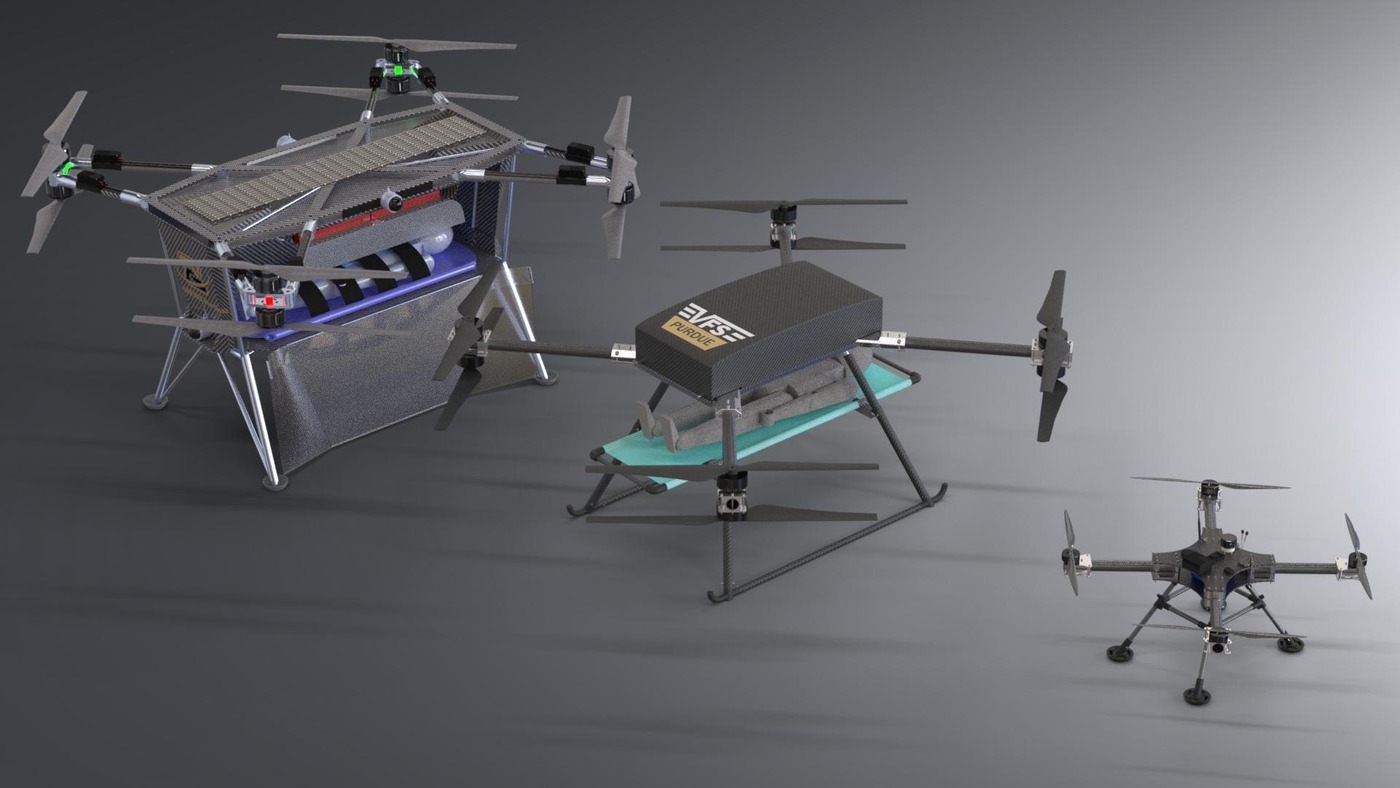
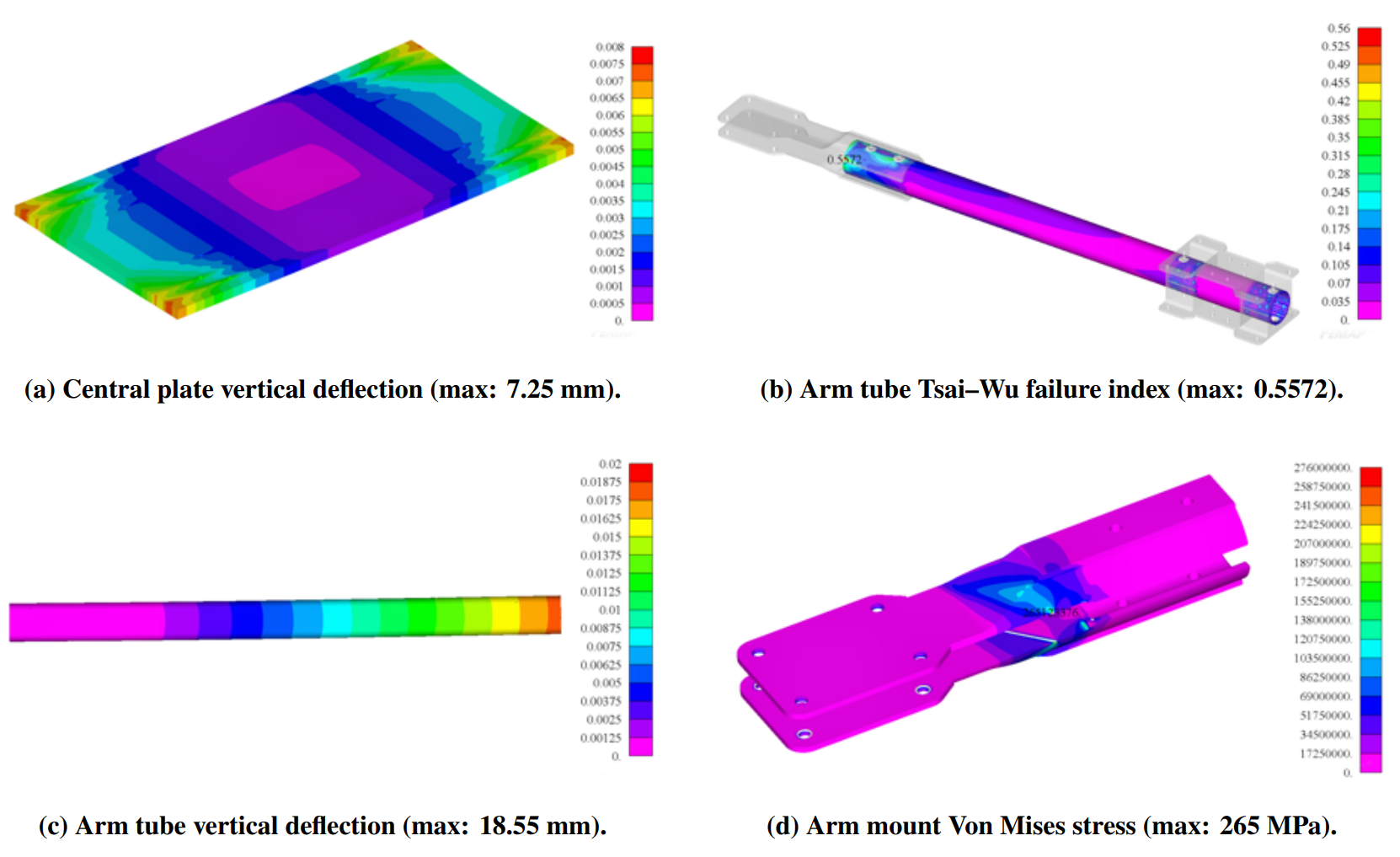
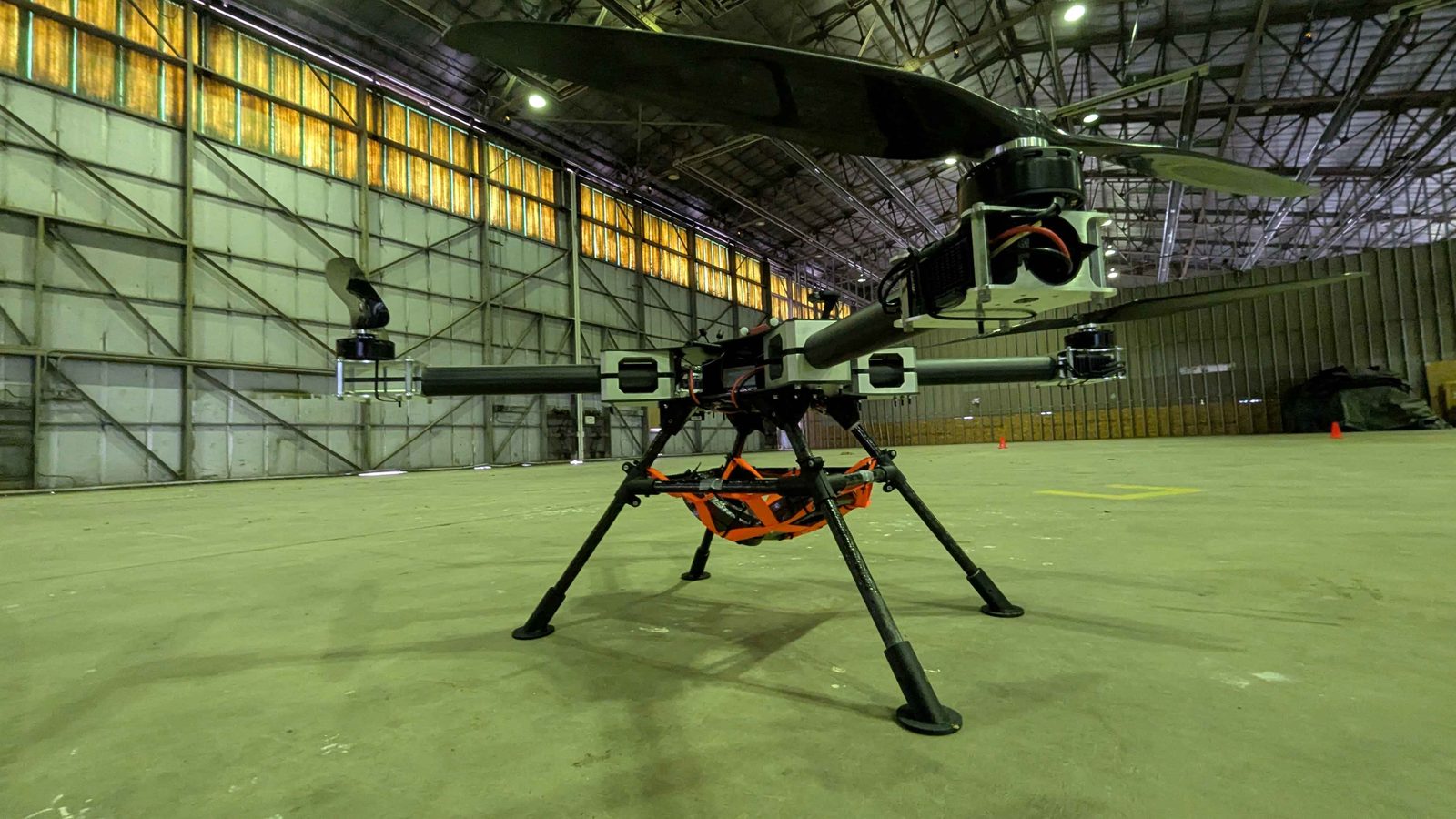
Airframe designs the structure that holds HEART together: the central frame, rotor arms, landing gear, and payload supports. Members balance strength, weight, and manufacturability, then carry their designs from CAD and structural analysis into the shop.
- Model components and check flight and landing loads using finite-element analysis.
- Develop machining, drilling, bonding, and composite layup processes.
- Assemble the airframe and coordinate space and mounting points for the other subteams.
Skills & tools SOLIDWORKS, FEMAP/NASTRAN, Ansys, MATLAB, composite manufacturing
02 / Propulsion & energy
Powertrain
Deliver the power to lift the mission.
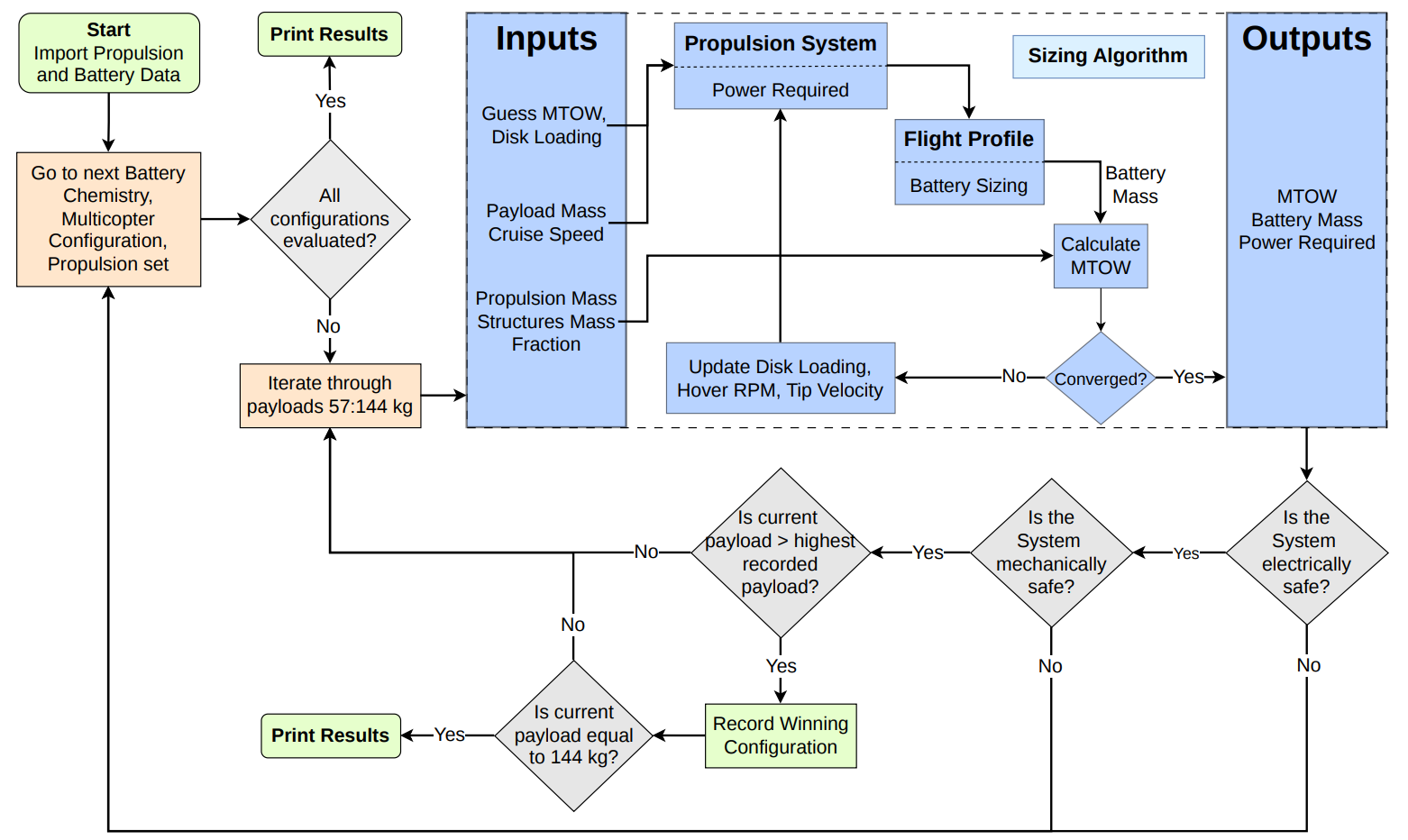
Powertrain connects aircraft performance to the motors, propellers, and batteries that make flight possible. The subteam sizes the propulsion system for payload and endurance, develops battery monitoring hardware, and brings the complete electrical system through ground testing and integration.
- Compare motor and propeller combinations against thrust, power, and endurance requirements.
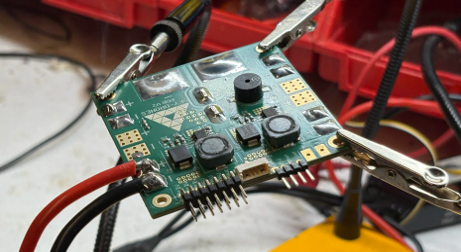
- Design battery-management electronics and wiring to monitor voltage, current, and temperature.
- Bench-test components and validate the complete propulsion and battery system before flight.
Skills & tools Aircraft sizing, PCB design, embedded programming, electrical integration, test-data analysis
03 / Sensors & flight hardware
Avionics
Give the aircraft a reliable picture of its flight.
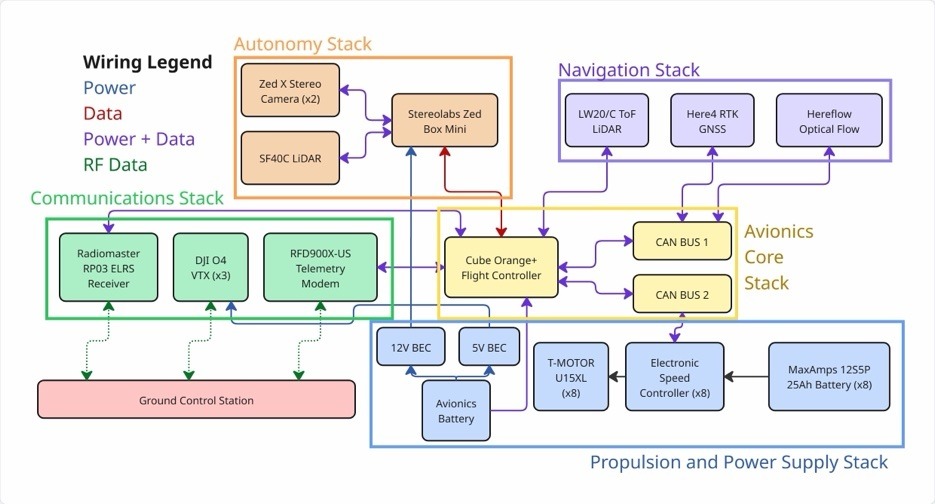
Avionics integrates the flight controller, navigation sensors, communications, and onboard computing. Members work on the hardware and wiring that connect these systems, then use bench tests and flight logs to understand how they behave on the real aircraft.
- Integrate the flight controller with GNSS, optical-flow, range, and camera sensors.
- Design sensor mounts, vibration isolation, shielding, and wiring for dependable measurements.
- Evaluate telemetry and sensor data, and test redundant sensing and fallback behavior.
Skills & tools Flight-controller integration, sensor calibration, telemetry, wiring, flight-log analysis
04 / Autonomy & simulation
Software
Help HEART understand and navigate its surroundings.
Software develops the perception, mapping, and autonomy tools that support the aircraft's missions. Members turn sensor data into useful information for the flight controller and test ideas in a digital twin before taking them to a physical prototype.
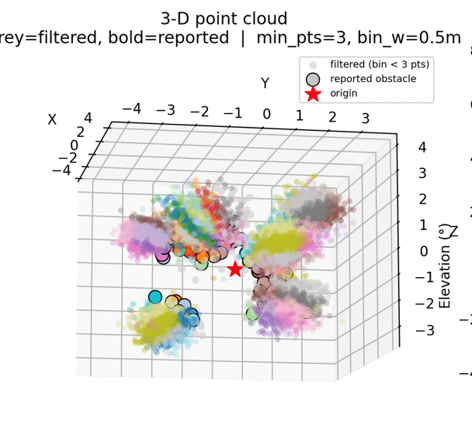
- Process stereo-camera and LiDAR data for obstacle detection and avoidance.
- Explore pose estimation, mapping, and positioning when GPS is unavailable.
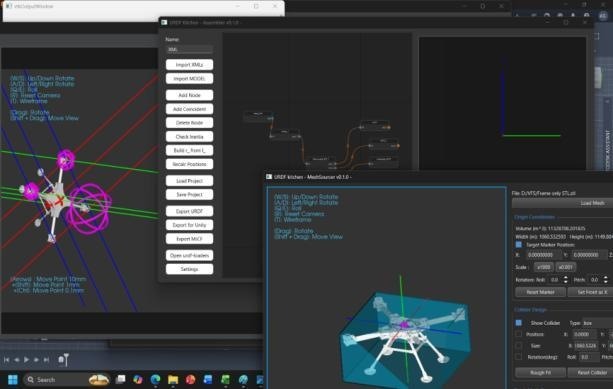
- Build and test simulated missions in NVIDIA Isaac Sim, and compare results with flight data.
Skills & tools Python, ROS 2, NVIDIA Isaac Sim, MAVLink, Git, data analysis
05 / Flight testing & readiness
Certification
Build the evidence that supports safe flight.
Certification, formerly Operations, connects engineering work with flight-test planning and the path toward operating the full-scale vehicle. Members document performance, organize prototype testing, and work with the other subteams to track reliability, redundancy, and operating requirements.
- Develop test plans and procedures, and document vehicle performance.
- Use prototypes to evaluate technologies before full-scale integration.
- Research the certification pathway and airspace requirements, and organize evidence for design and flight-readiness reviews.
Skills & tools Systems engineering, technical documentation, test planning, requirements tracking, flight operations
Leadership
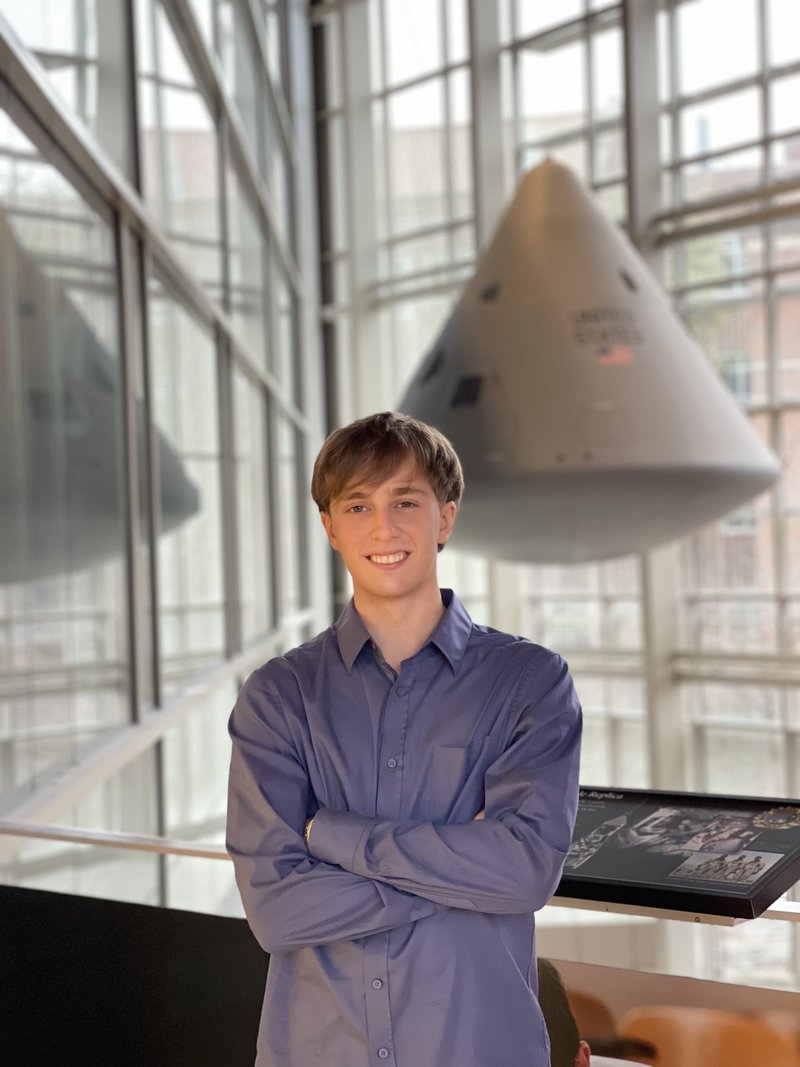
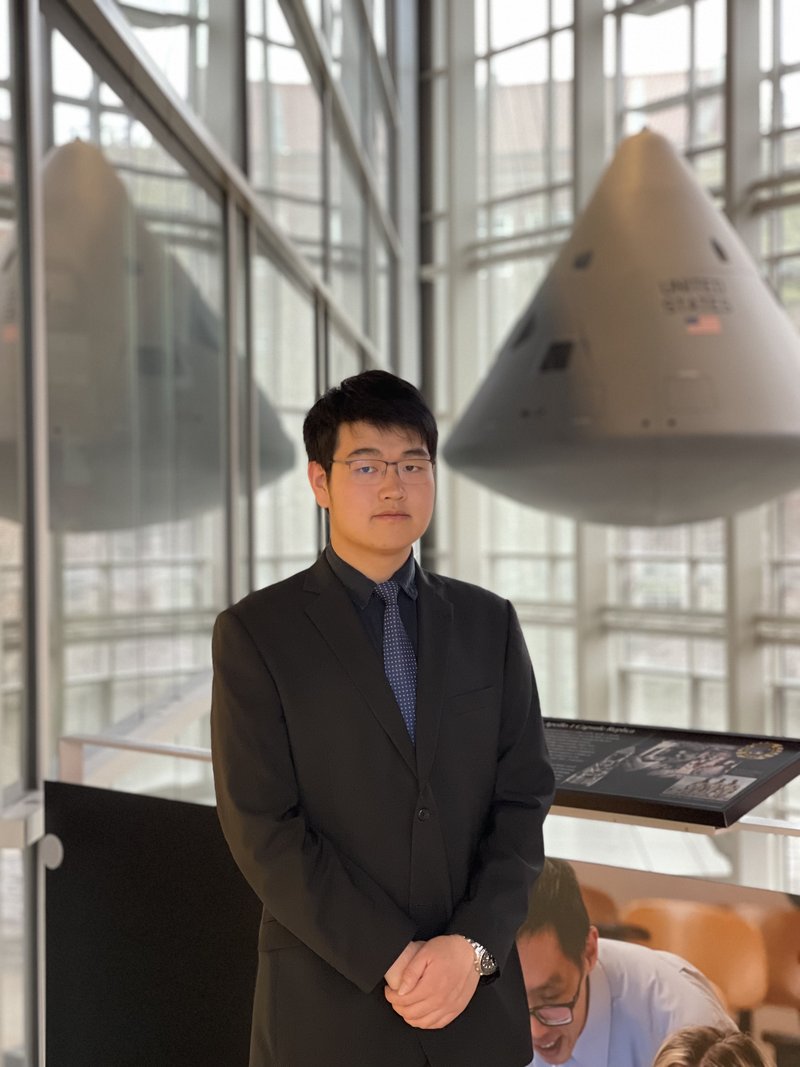
2025–2026 leads
One team, many majors
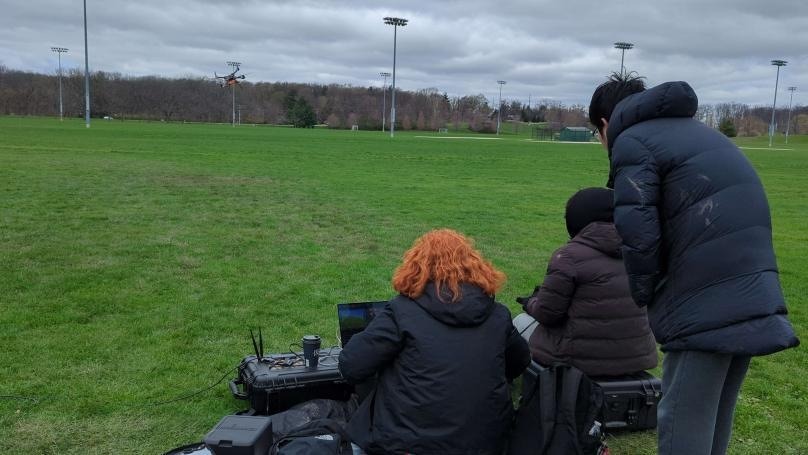
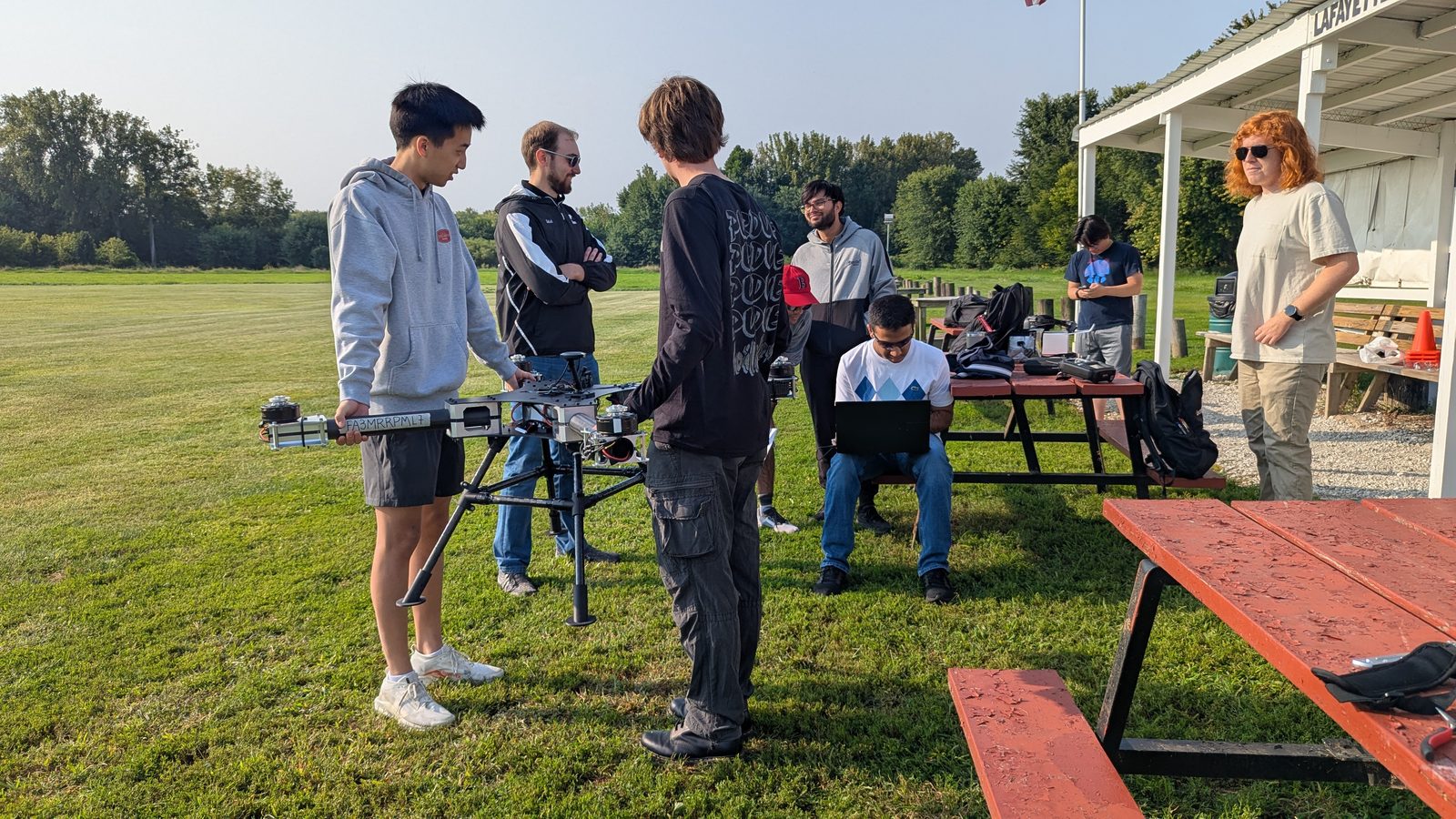
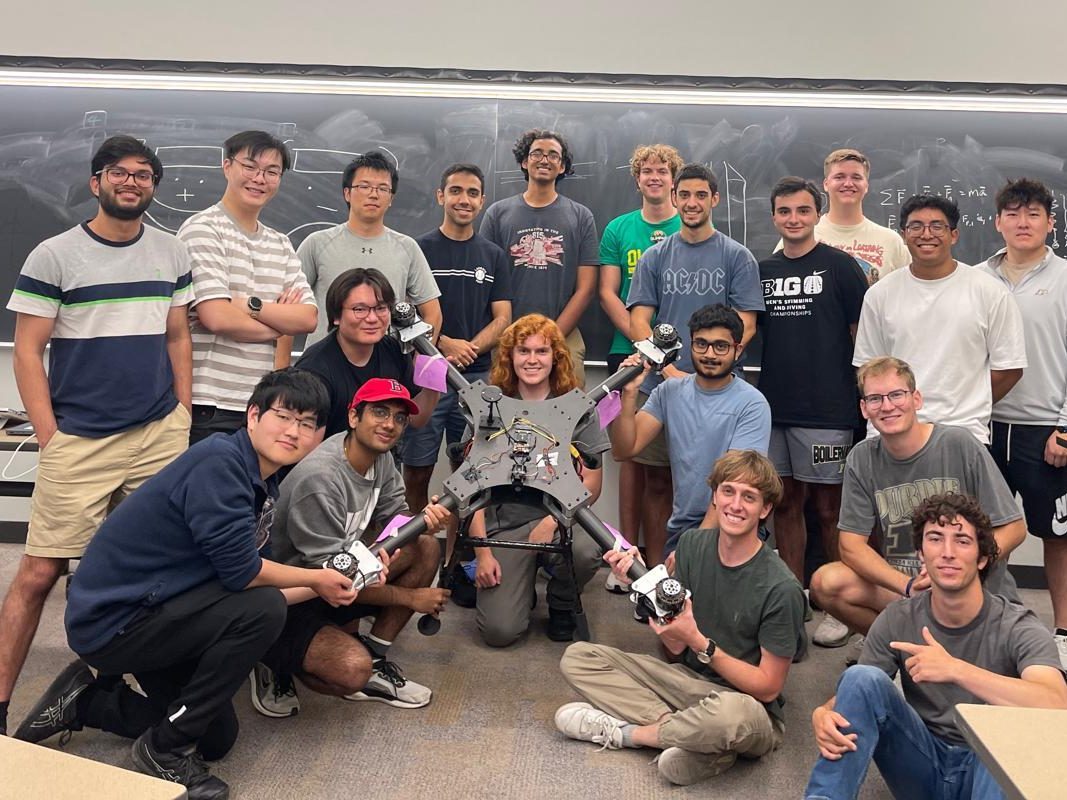
Behind the leads is a larger group of students who show up to design meetings, build sessions, and flight tests. Members come from across engineering and beyond, and the team is open to anyone who wants to help build aircraft.
The team is advised by Prof. Thiago Guimarães and Tom Bietsch (AAE Engineer) of the School of Aeronautics and Astronautics Engineering, along with Prof. Woongkul Lee of the Elmore Family School of Electrical and Computer Engineering.