Current project

H.E.A.R.T.

A 250 kg semi-autonomous eVTOL designed for emergency response situations.

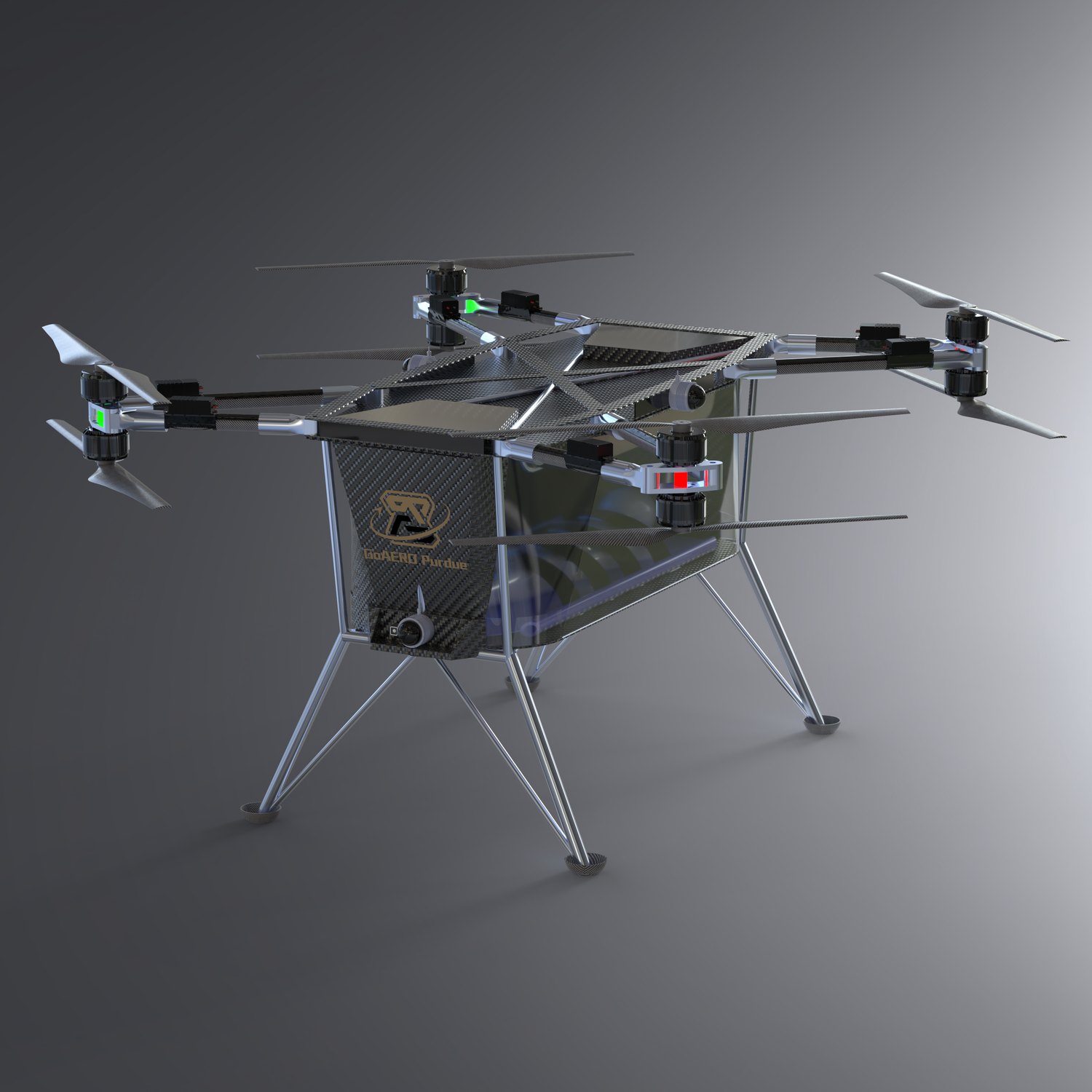
HEART aircraft concept render

The aircraft

HEART (Human Emergency Aerial Rescue and Transport) is a single-occupant, roughly 250 kg electric VTOL aircraft. It uses a distributed set of electric rotors, a carbon-fiber and aluminum airframe, and an onboard flight system that lets it operate semi-autonomously, with minimal operator workload.

The idea is a rescue aircraft that can be stationed where it is needed, at fire stations, hospitals, and public-safety facilities, and reach people in places that are hard to get to by road, in both cities and rural areas.
Where it started

From the GoAERO Prize to first flight

HEART began as our entry to the GoAERO Prize, a competition to build emergency-response aircraft. During that work the team earned a Stage 1 award and a NASA University Innovation Award, along with competition funding.

We are no longer competing in GoAERO, but we are continuing to develop the aircraft on our own terms. Our goal now is to finish the full-scale vehicle and fly it in mid-2027.

The award, the funding, and the prototype flights all came out of the competition phase. What comes next is the team's own program to get HEART into the air.

Building the airframe in the shop

Building it

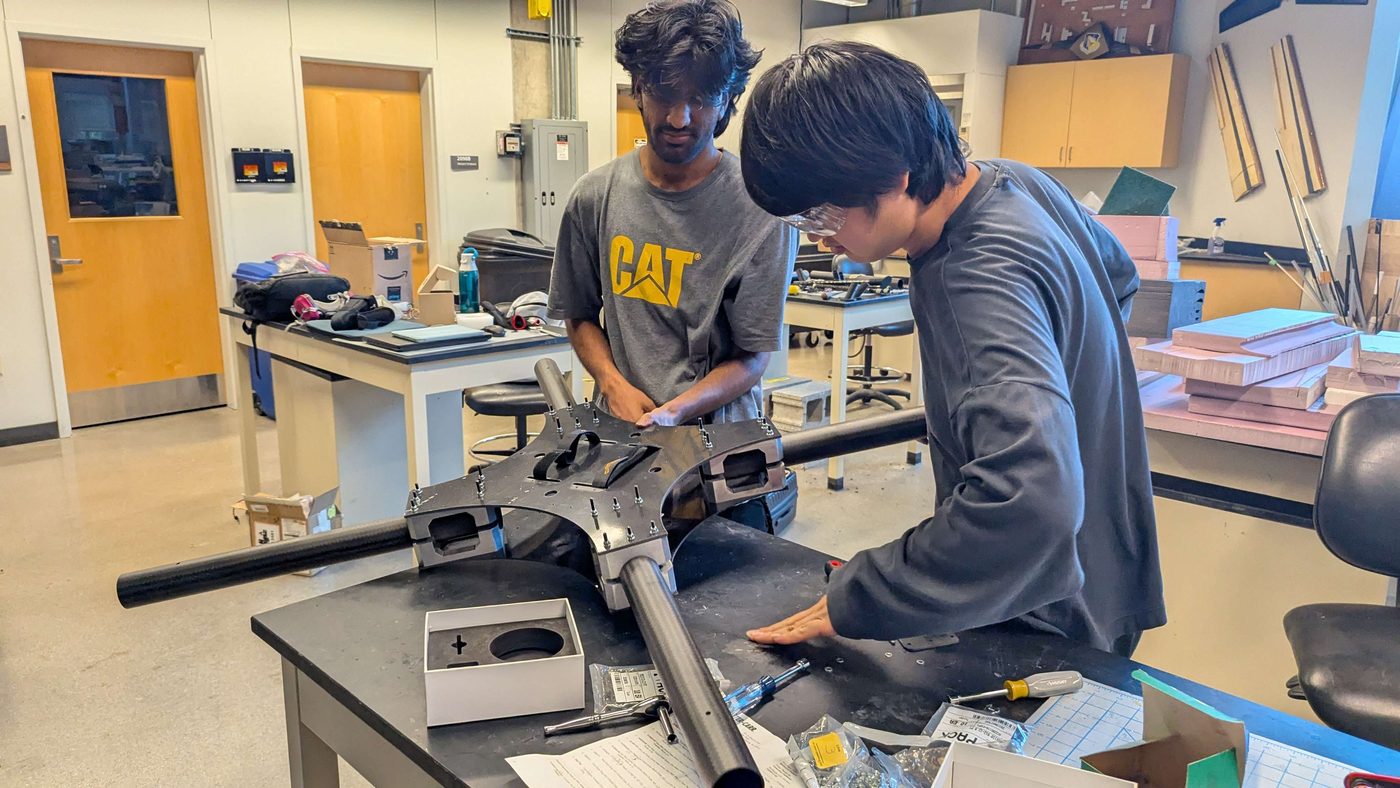
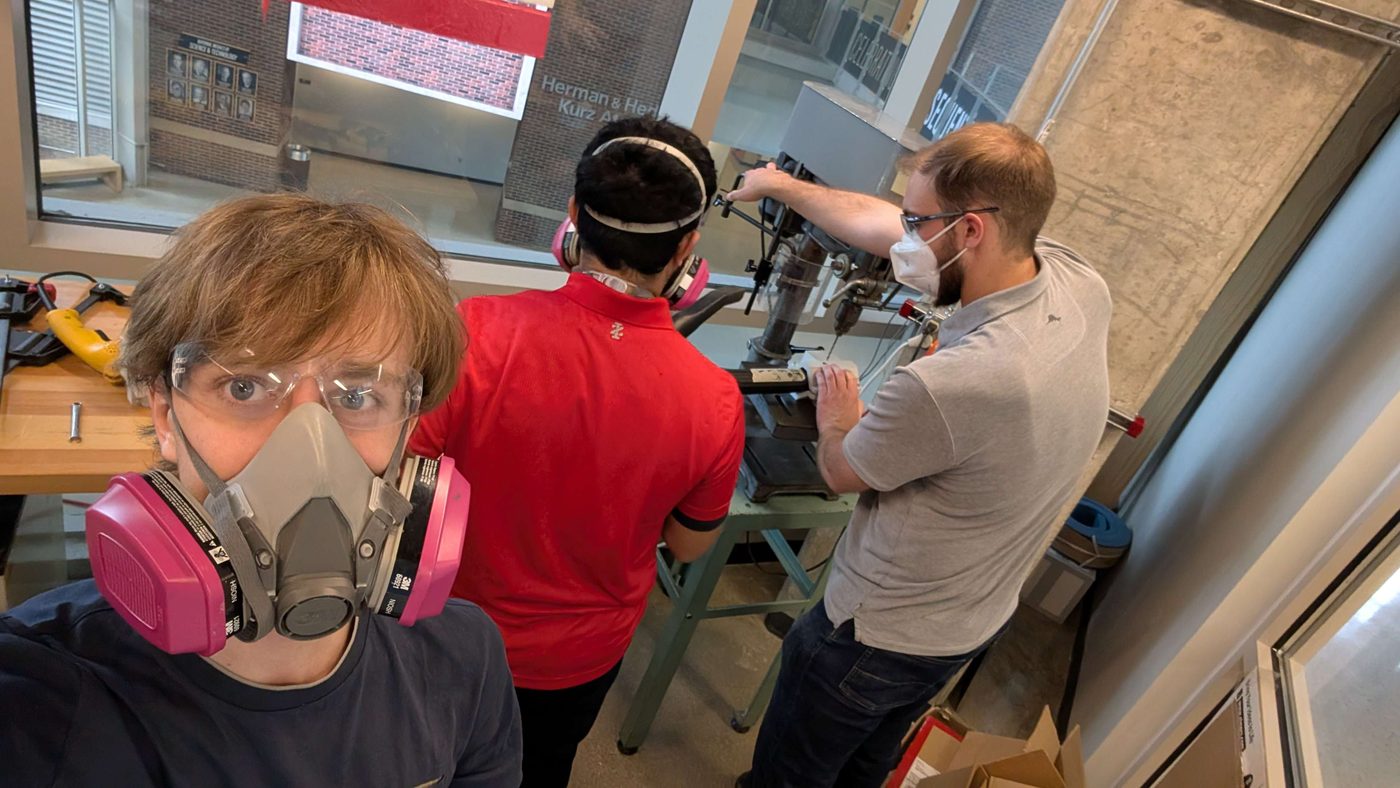
Most of the aircraft is built in-house. The team machines and lays up carbon-fiber structure, assembles the airframe, and integrates the propulsion and electronics by hand. Working on the hardware ourselves is a big part of how members learn.

Machining a carbon fiber spar
Machining a carbon spar
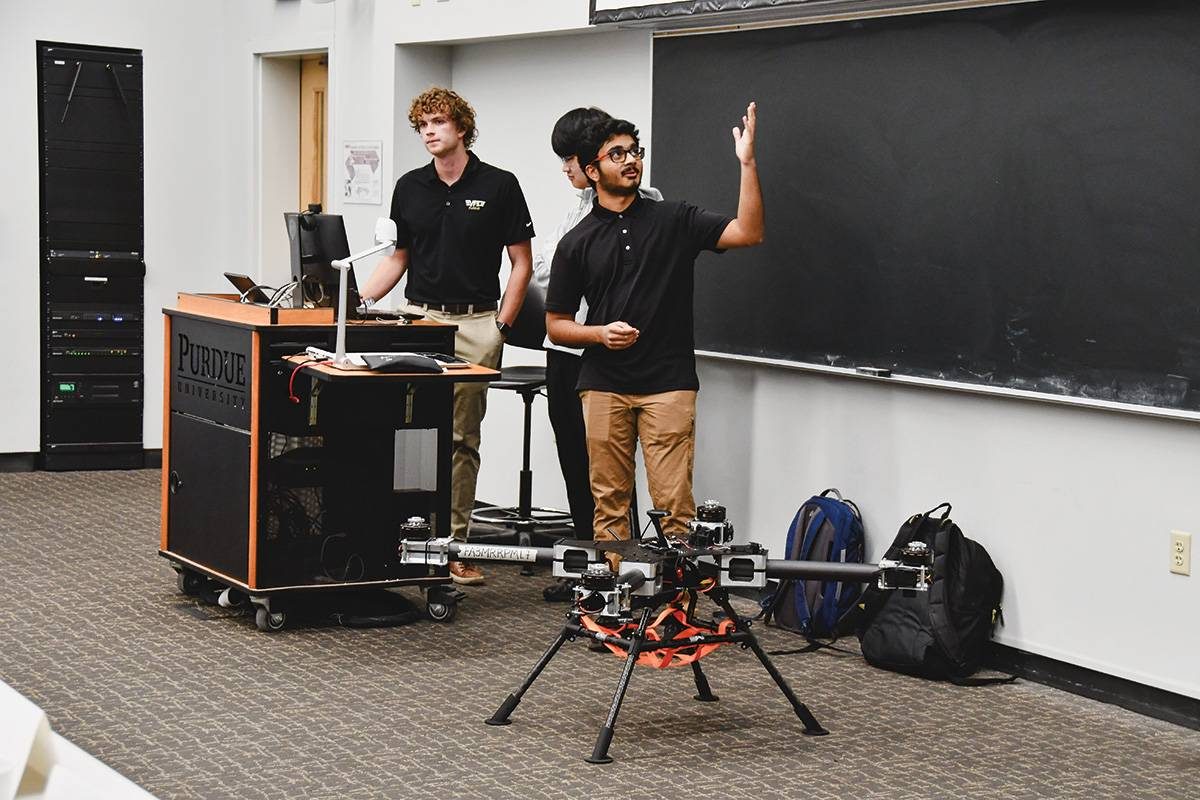
A design review meeting
Design review
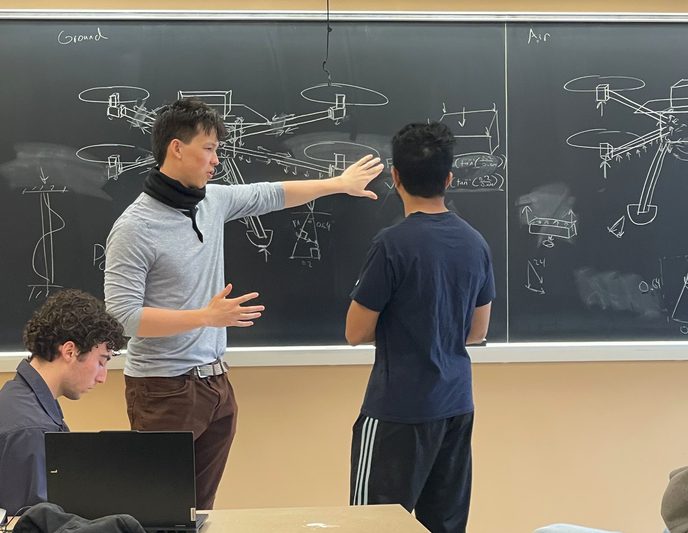
A lead explaining the aircraft load path at the board
Load-path analysis
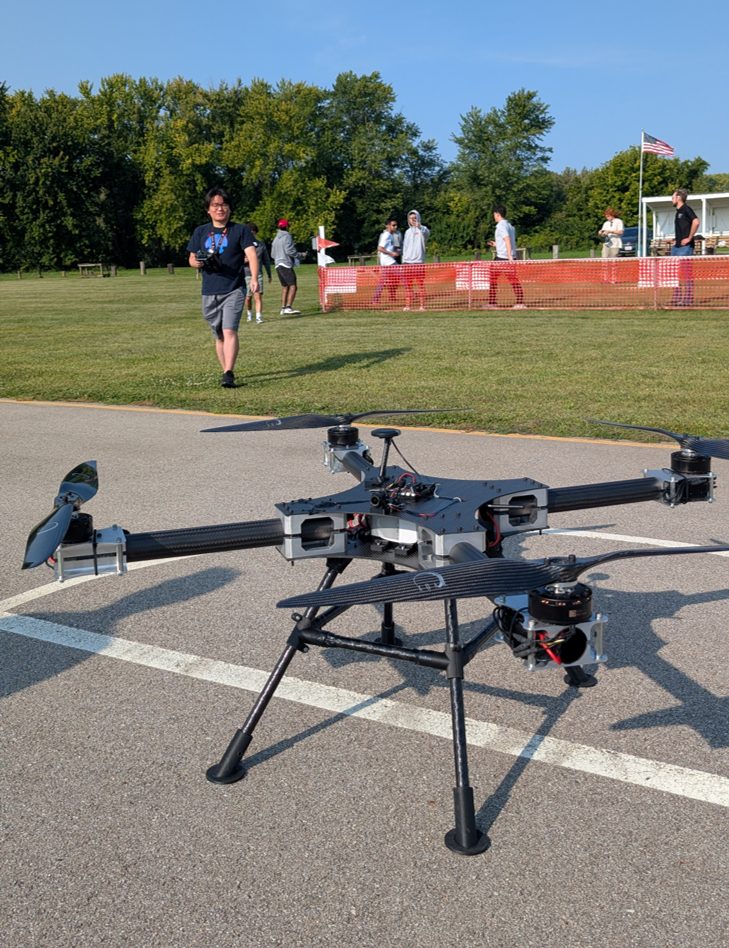
A subscale prototype on the runway

Flying and testing

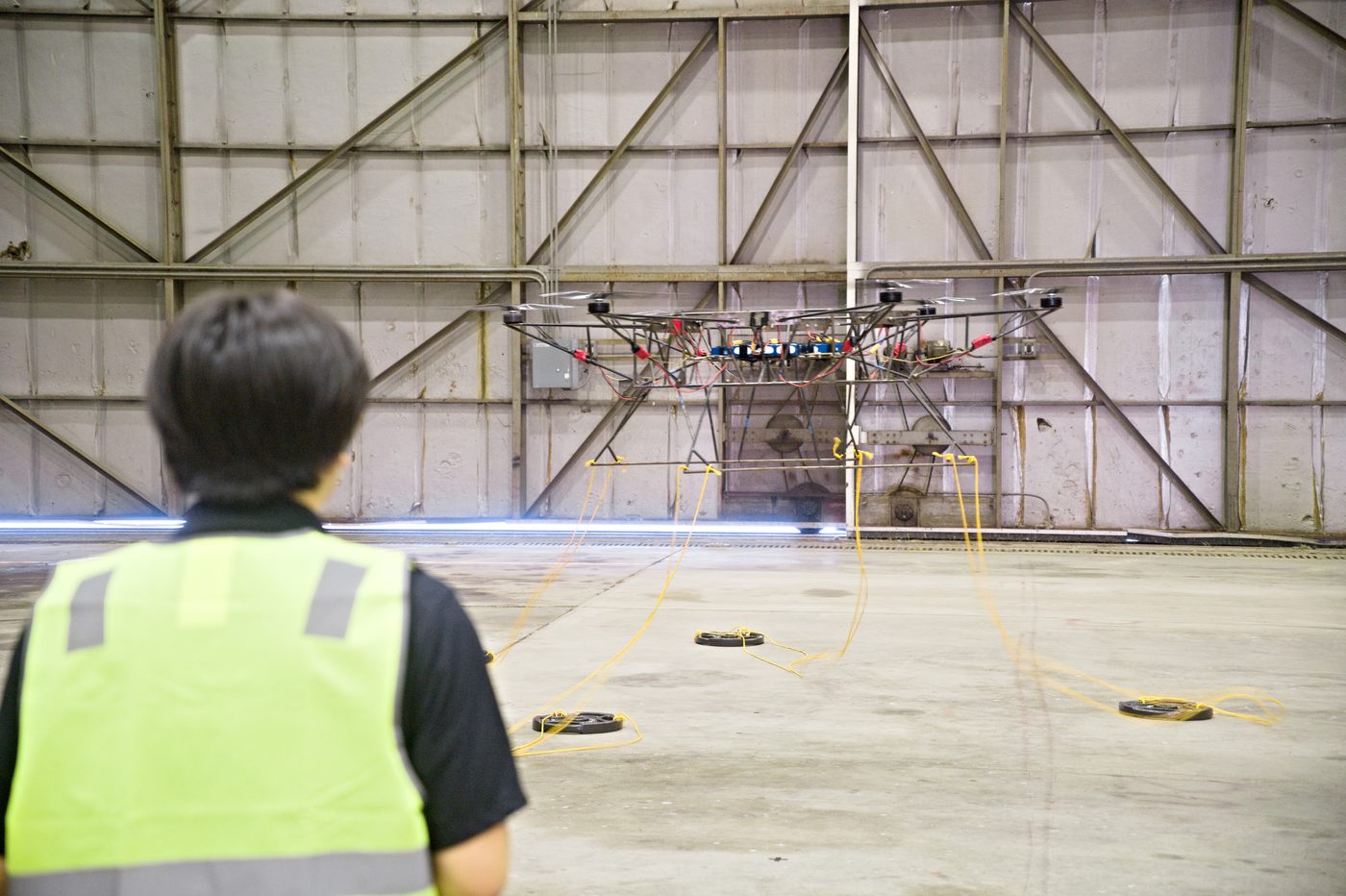
Before building the full-scale vehicle, the team builds and flies smaller prototypes to check the technologies that matter most: propulsion, flight control, and how the aircraft handles a payload.

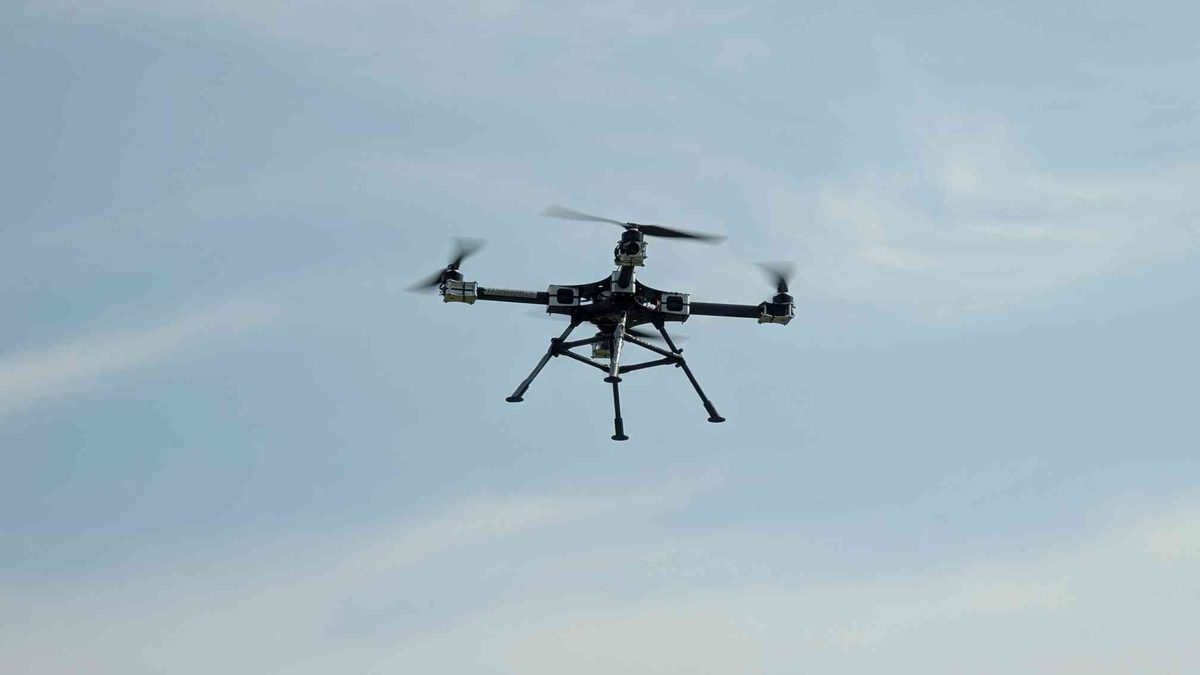
In Fall 2025 the team built a 40% scale prototype and tested its payload and autonomy at Purdue facilities. The flight data from those tests feeds directly into the full-scale design.

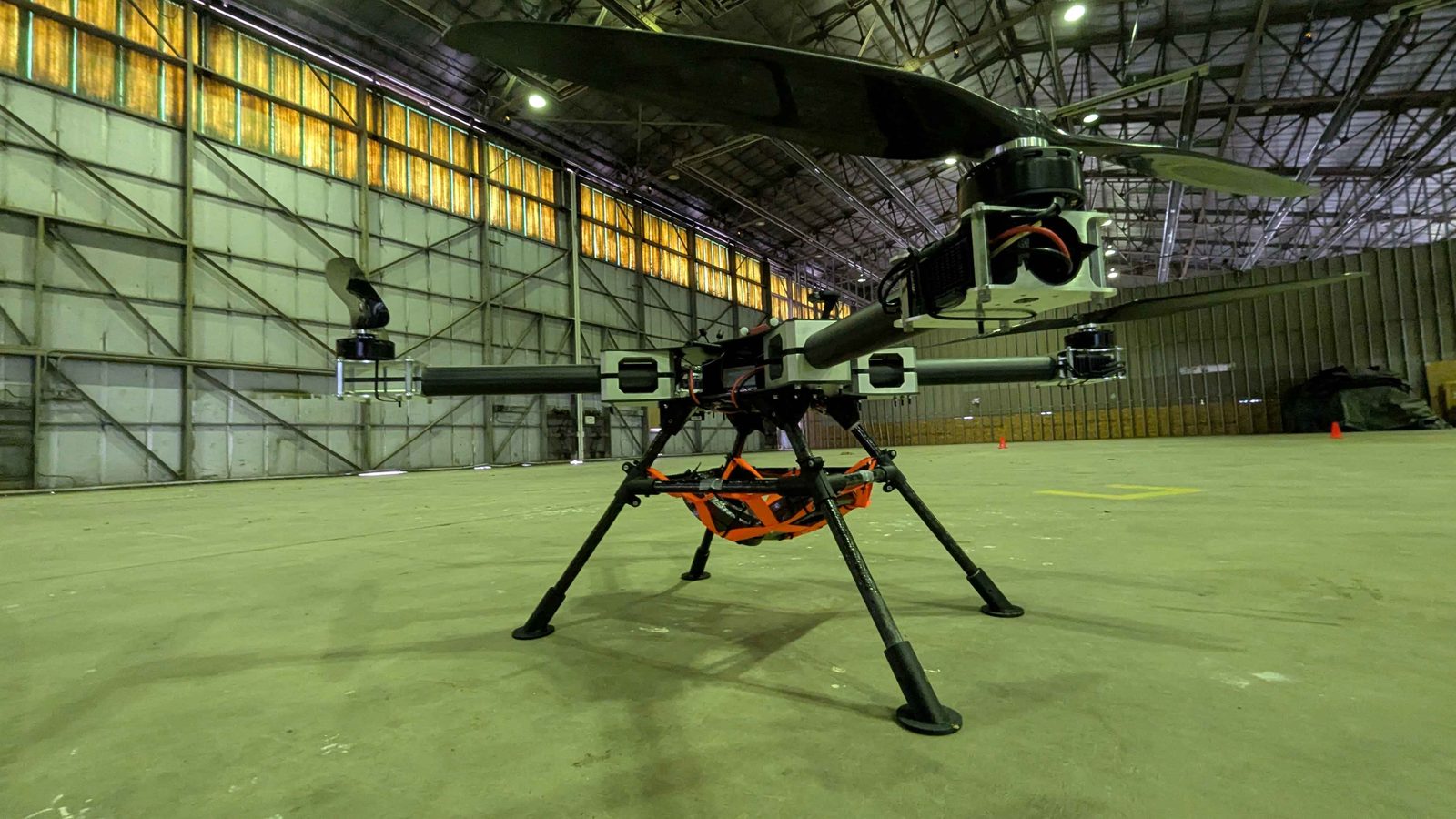
The prototype during preflight in the hangar
Preflight in the hangar
A prototype in flight
Prototype in flight

Development

The road to a full-scale flight

2025
GoAERO Stage 1 awardEarned a Stage 1 award and a NASA University Innovation Award, along with competition funding.
Fall 2025
40% scale prototypeBuilt and flew a subscale prototype and tested payload and autonomy at Purdue facilities.

Writing & press

Papers and coverage

A paper on HEART's design was accepted for the AIAA AVIATION Forum in 2026, and the project has been covered by Purdue and the eVTOL press.

AIAA AVIATION 2026
Design and development of HEART (DOI 10.2514/6.2026-4585)Accepted for the AIAA AVIATION Forum, San Diego

Earlier work

BoilerUP

BoilerUP legacy aircraft during a test flight

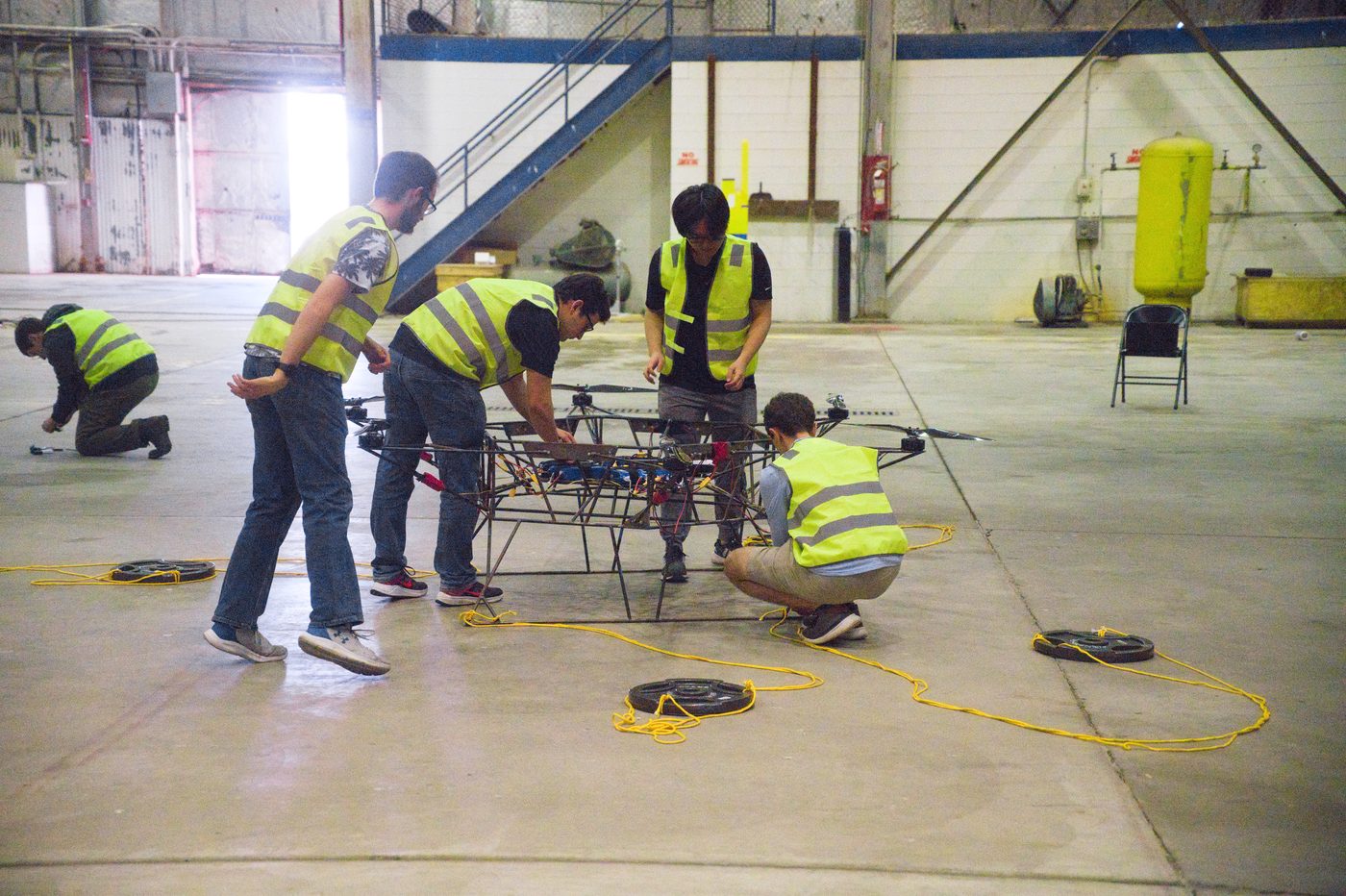
BoilerUP was VFS's earlier vertical-flight project. It gave the team its first full cycle of multirotor design, composite fabrication, and flight testing, and built up the shop skills and flight-test habits the team still uses.

It is part of our history rather than our current focus, but the aircraft we fly today grew directly out of the lessons from BoilerUP.

The BoilerUP team working on the aircraft
The BoilerUP team at work